
How Winter Can Impact Your Home’s Electrical System
As winter begins to fade and temperatures slowly warm up, many homeowners start noticing issues around their homes that may have developed during the colder months. While things like roofs, gutters, and driveways often get attention after winter, your home’s electrical system may have also experienced extra strain during the season.
Cold weather and increased energy use can push electrical systems harder than usual. From heaters and space heaters to extra lighting and overloaded circuits, winter conditions can quietly stress your home’s electrical infrastructure. As we move into spring, it is a good time to take a closer look at how winter may have affected your electrical system.
Increased Heating Use During Winter
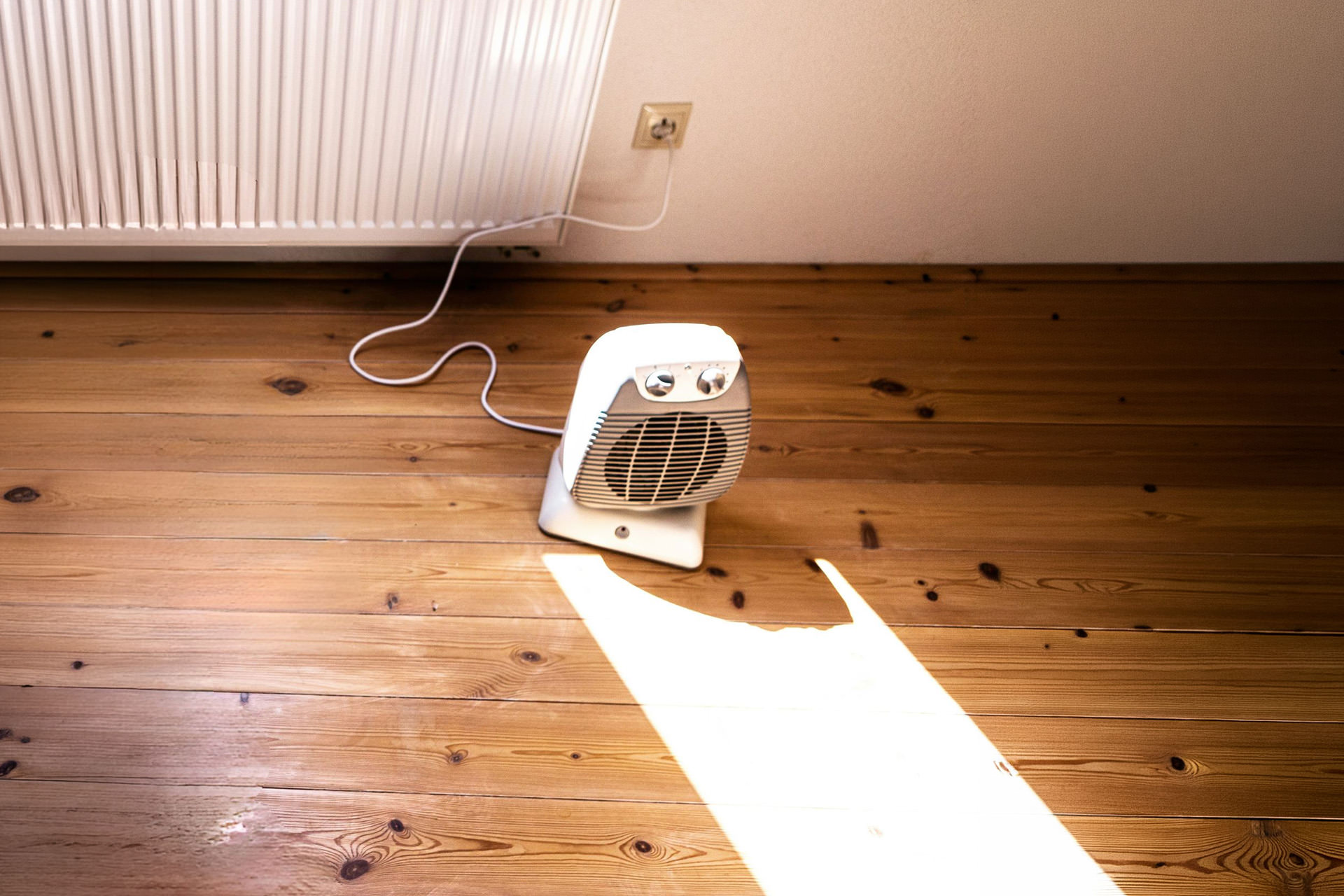
One of the biggest reasons electrical systems work harder in the winter is the increased use of heating equipment. Electric heaters, heat pumps, electric blankets, and other warming devices often run for long periods during colder months. This increased usage draws more electricity than your home may typically use during other seasons. Space heaters are especially common during Michigan winters. While they can be convenient for warming up specific rooms, they consume a significant amount of electricity. When multiple heaters are running throughout a home, the electrical demand can quickly add up. If your home has an older electrical panel or outdated wiring, the added demand from heating devices may have pushed the system close to its limits throughout the winter.Space Heaters and Circuit Strain
Space heaters are one of the most common sources of winter electrical strain. Because they draw a large amount of power, they can overload circuits when plugged into outlets already supporting other appliances. Many homeowners plug space heaters into extension cords or power strips, which can increase the risk of overheating and electrical issues. During a long winter season, repeated stress on circuits can weaken connections or cause breakers to trip more frequently. If you experienced breakers tripping or outlets getting warm this winter, it may be a sign that your electrical system was under more stress than it should be.Extra Lighting and Electrical Demand
Winter also means shorter daylight hours. Many homes rely on additional lighting inside and outside to keep spaces bright and safe. Lamps, garage lights, outdoor security lighting, and seasonal decorations all contribute to higher electrical usage. While each individual light may not use much electricity, the combined demand from multiple sources running for longer hours can increase the load on your home’s circuits. Homes with older wiring systems may feel the impact of this additional electrical demand even more.Signs Your Electrical System Worked Overtime
After a long winter, your electrical system may show signs of extra strain. Some common warning signs include• Breakers that tripped frequently during the winter • Lights that flicker or dim when appliances turn on • Outlets that feel warm to the touch • Buzzing sounds near switches or outlets
These signs may indicate that your electrical system was operating near its capacity. Addressing these issues early can help prevent more serious problems in the future.