
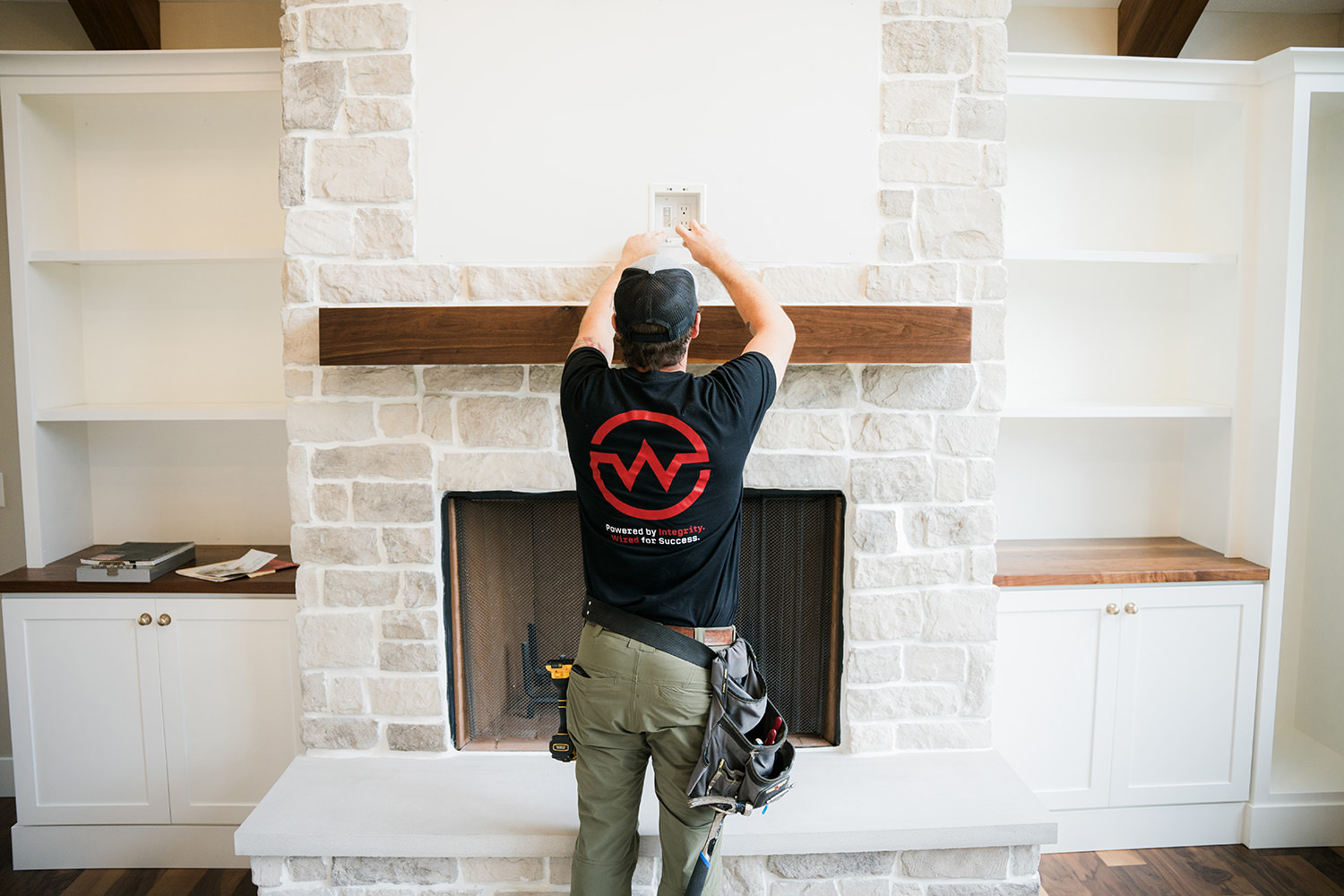
The Importance of GFCI Outlets for Home Electrical Safety
Electrical safety is something many homeowners do not think about until a problem occurs. One of the most important and often overlooked safety features in a home’s electrical system is the GFCI outlet. These outlets play a critical role in protecting people from electrical shock and reducing the risk of serious injury. Understanding how GFCI outlets work and why they matter can help keep your home safer year-round.
What Is a GFCI Outlet
A GFCI outlet, also known as a Ground Fault Circuit Interrupter, is designed to monitor the flow of electricity through a circuit. If the outlet senses an imbalance between the outgoing and returning electrical current, it shuts off power almost instantly. This quick response can prevent severe electrical shock, especially in areas where water and electricity may come into contact.
Unlike standard outlets, GFCI outlets actively protect people rather than just protecting wiring or appliances. This makes them an essential part of modern home electrical safety.
Why GFCI Outlets Are So Important
Water is one of the leading causes of electrical accidents. Even a small amount of moisture can create a dangerous situation when combined with electricity. GFCI outlets are specifically designed to reduce the risk of shock in these environments by cutting power before harm can occur.
In addition to shock prevention, GFCI outlets can help:
- Reduce the risk of electrical injuries
- Provide added protection for children and pets
- Meet current electrical safety codes
- Add peace of mind for homeowners
Installing and maintaining proper GFCI protection is a simple step that can make a significant difference in overall home safety.
Where GFCI Outlets Should Be Installed
Electrical codes require GFCI outlets in areas where moisture is present or likely to be present. These typically include:
- Bathrooms
- Kitchens
- Basements
- Garages
- Laundry rooms
- Outdoor outlets
If your home lacks GFCI protection in these areas, or if the outlets are outdated, scheduling a professional GFCI outlet installation can help bring your electrical system up to current safety standards.
Signs a GFCI Outlet Needs Replacement
Like any electrical device, GFCI outlets do not last forever. Over time, internal components can wear out, reducing their ability to protect properly. Common signs that a GFCI outlet may need service include:
- The outlet will not reset
- Frequent or unexplained tripping
- A test button that does not work
- Physical damage or discoloration
A licensed electrician can test your outlets and determine whether repair or replacement is necessary.
Why Professional Installation Matters
While GFCI outlets may seem simple, correct wiring and placement are critical for them to function properly. A licensed electrician ensures that GFCI outlets are installed correctly, protecting not only the outlet itself but also downstream outlets connected to the same circuit. Professional installation also ensures compliance with current electrical codes and standards.
Final Thoughts
GFCI outlets are a small but powerful component of a safe electrical system. Whether you are upgrading an older home or ensuring your current outlets are functioning correctly, investing in proper GFCI protection is an important step toward long-term home electrical safety. If you are unsure about the condition of your outlets, contacting a qualified electrician for inspection and installation can help protect your home and everyone in it.